The short answer
The best cruise for limited mobility is usually one with accessible cabins available, fewer tender ports, manageable embarkation, elevators near key areas, clear excursion ratings, and an itinerary that does not require constant long walks.
Start with the cabin
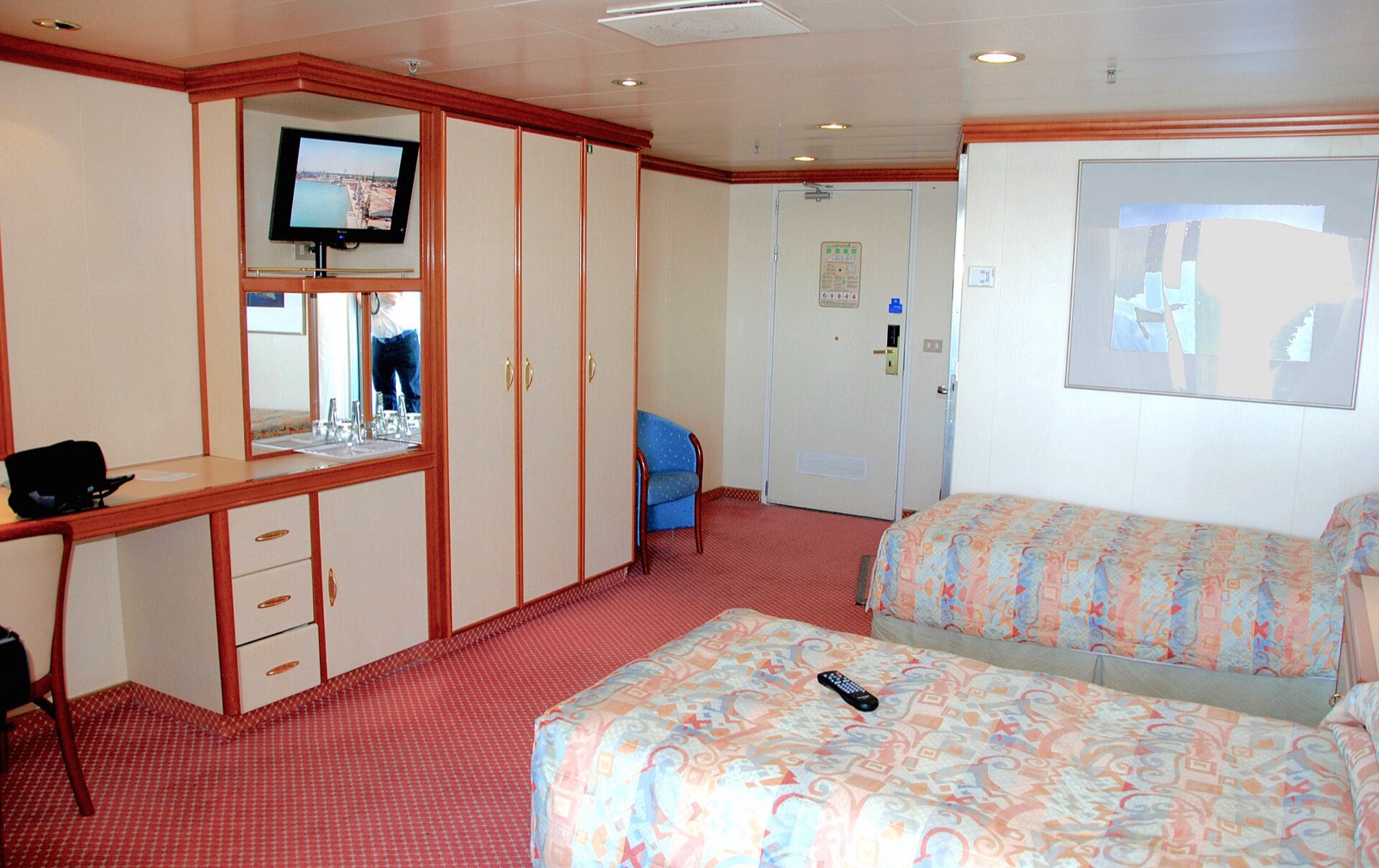
Accessible cabins can sell out early. Ask about doorway width, bathroom layout, roll-in shower, grab bars, bed height, scooter storage, outlet placement, and distance from elevators. Do not assume a standard cabin will work.
Watch for tender ports
Tender ports require small boats between ship and shore. They can be beautiful, but may be difficult or impossible for some wheelchair, scooter, or balance needs depending on sea conditions and ship policies.
Ask about excursions in detail
Excursion descriptions may say “easy” while still involving stairs, coach steps, cobblestones, ramps, or long standing periods. Ask for walking distance, surfaces, restroom access, vehicle type, and whether mobility devices can be accommodated.
Ship size tradeoffs
Larger ships may offer more elevators and accessible infrastructure, but they can also require longer walks. Smaller ships may feel calmer but may have fewer accessible cabins or more limited facilities.
Medical and comfort planning
Bring medications in carry-on luggage, ask about CPAP/distilled water needs, consider travel insurance with medical coverage, and confirm mobility-equipment rental or storage before final payment.
Need help narrowing the options?
If you are comparing cruise styles, cabins, seasons, or mobility details, a planning conversation can save a lot of guessing.
Ask a Cruise AdvisorFrequently asked questions
Can wheelchair users take cruises?
Often yes, but it depends on cabin availability, ship design, ports, tender rules, and excursion requirements.
Are accessible cruise cabins easy to book?
They can be limited and should be requested early, especially on popular retirement-season itineraries.
What should I ask before booking?
Ask about accessible cabin details, tender ports, gangways, excursion walking distance, scooter rules, and medical support onboard.