The short answer
Small ships often suit retirees who want a quieter, destination-focused experience. Big ships may suit travelers who want more dining choices, entertainment, cabin categories, and onboard amenities. The better choice depends on the traveler.
Crowds and atmosphere
Small ships can feel calmer and easier to navigate. Big ships can feel lively and offer more to do, but they may also involve larger crowds, longer walks, and busier public spaces.
Ports and itineraries
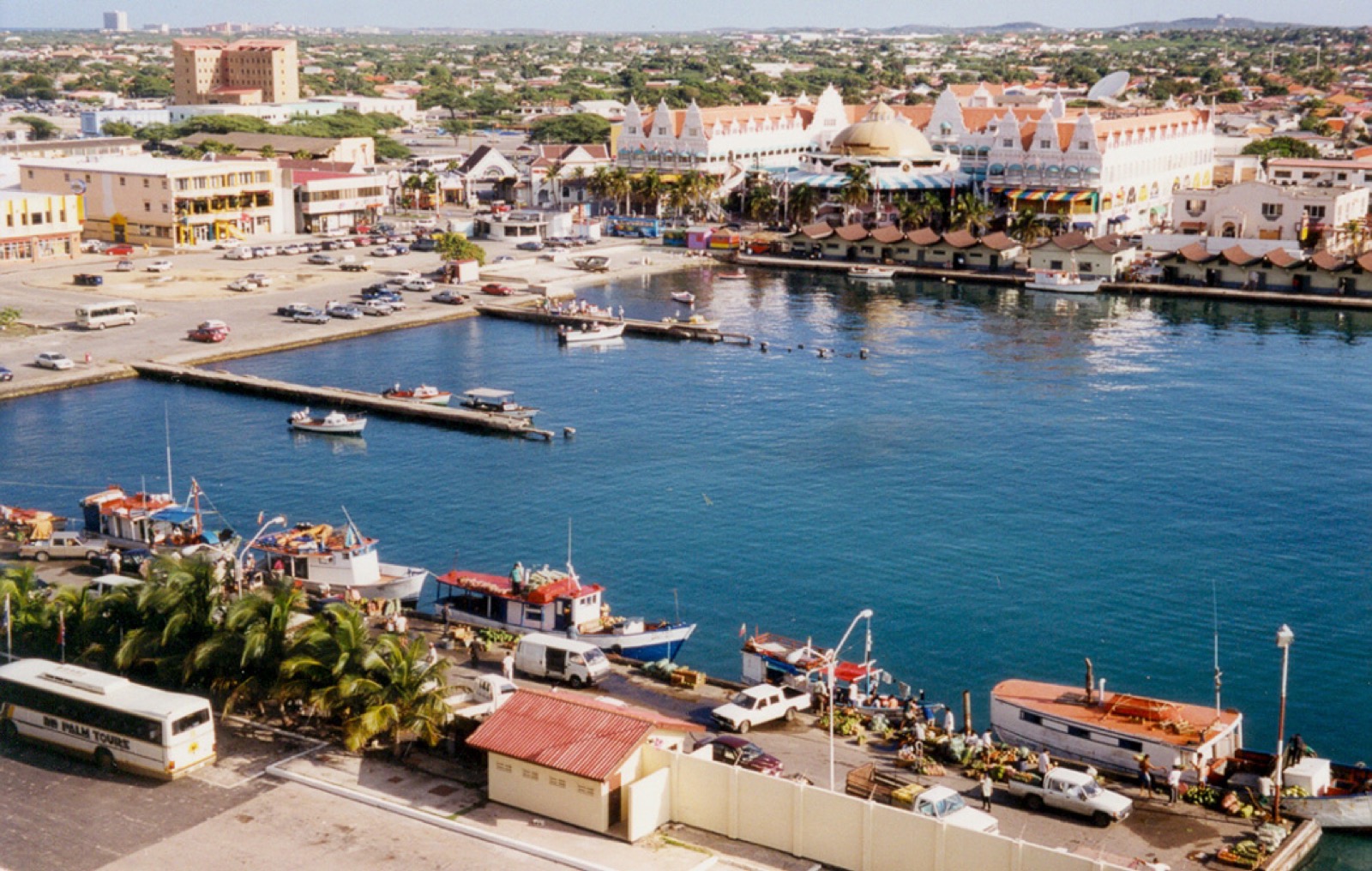
Smaller ships may reach ports that very large ships cannot, while larger ships often serve major cruise ports with strong infrastructure. Tendering, shuttle buses, and pier distance can matter for mobility.
Dining and entertainment
Big ships usually offer more restaurants, shows, bars, and activities. Small ships may emphasize lectures, scenery, conversation, and regional experiences rather than big productions.
Accessibility tradeoffs
Large ships may have more accessible cabins and infrastructure, but also longer distances. Small ships may be simpler but not always as accessible. Ask ship-specific questions before deciding.
Value and inclusions
A small ship may look more expensive at first but include more. A large ship may have a lower fare but more add-ons. Compare the total trip, not just the starting price.
Need help narrowing the options?
If you are comparing cruise styles, cabins, seasons, or mobility details, a planning conversation can save a lot of guessing.
Ask a Cruise AdvisorFrequently asked questions
Are small ship cruises better for retirees?
They can be if the traveler prefers a quieter, destination-focused trip, but they are not automatically better for every retiree.
Are big ships too crowded for seniors?
Some can feel crowded, but ship design, travel dates, itinerary, and cabin choice make a difference.
Which ship size is best for limited mobility?
It depends on accessible cabin availability, elevator access, walking distances, tender ports, and excursion options.